Giant Planets
Big Jovian Worlds. They have no solid surfaces. They are less dense with thicker atmospheres and much smaller cores. All of them contain a ring, but Saturn's is the most prominent. There are two types of giant planets: ice giants and gas giants. Jupiter and Saturn are gas giants. This means their composition is mostly hydrogen and helium. Additionally, their cores are composed of liquid metallic hydrogen unlike iron and nickel seen inside terrestrial planets. Uranus and Neptune are ice giants meaning their compositions are mostly elements heavier than hydrogen and helium. This includes oxygen, nitrogen, carbon, and sulfur. Since Uranus and Neptune are much smaller compared to Jupiter and Saturn, their cores aren't liquid metallic hydrogen. Instead, it is a little rocky and icy. From the closest to the farthest: Jupiter, Saturn, Uranus, and Neptune.
Jupiter
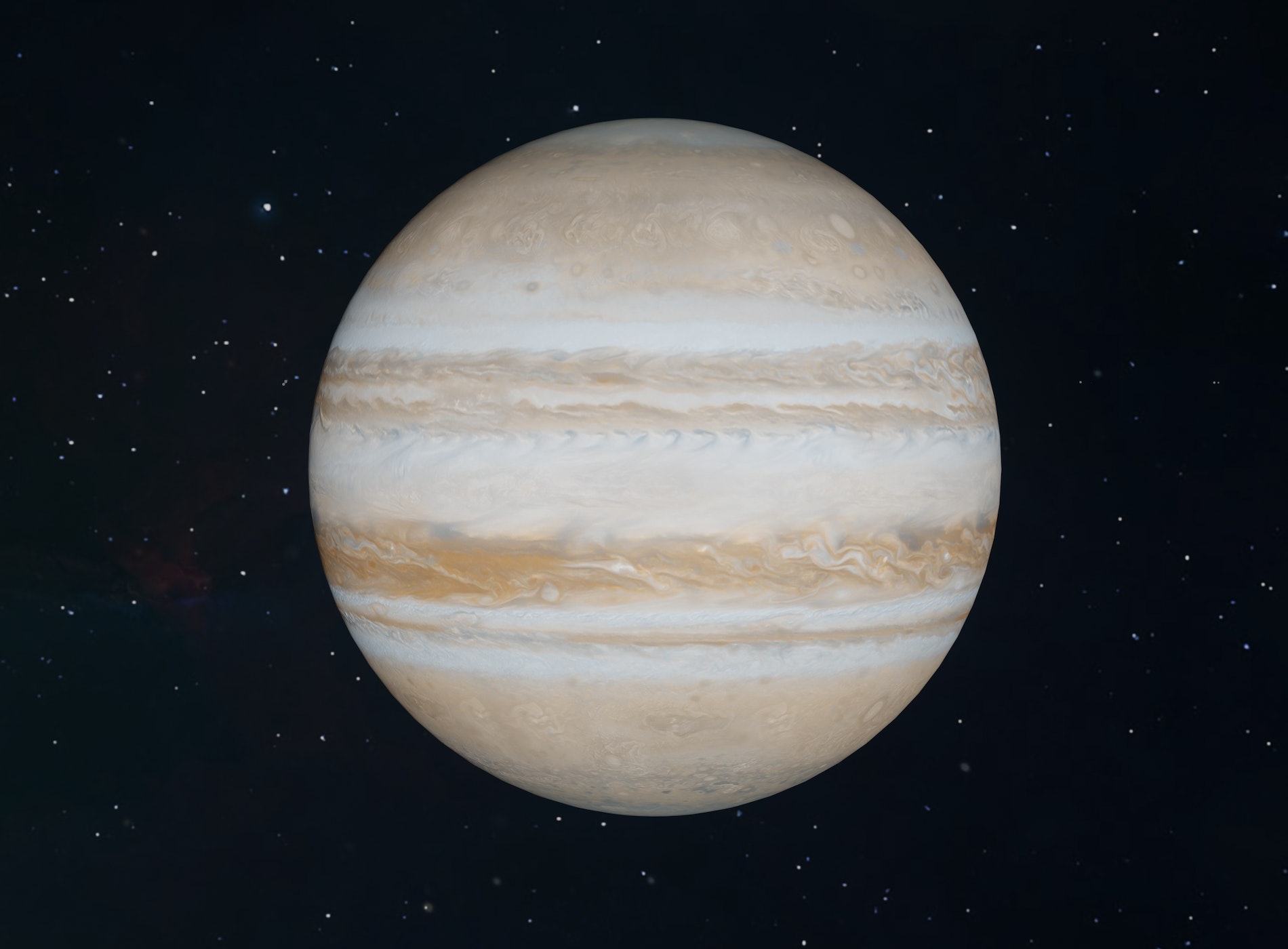
- Name for the Roman King of God
- Rotation period: 9.9 hours
- Revolution period: 11.9 years
- The biggest planet in the solar system. It is over 300 times the mass of Earth. The appearance is colorful. There are light areas called zones and dark areas called belts. These areas are due to the circulation of Jupiter's atmosphere. Jupiter has many moons. The four biggest moons are Callisto, Ganymede, Europa, and Io.
Saturn
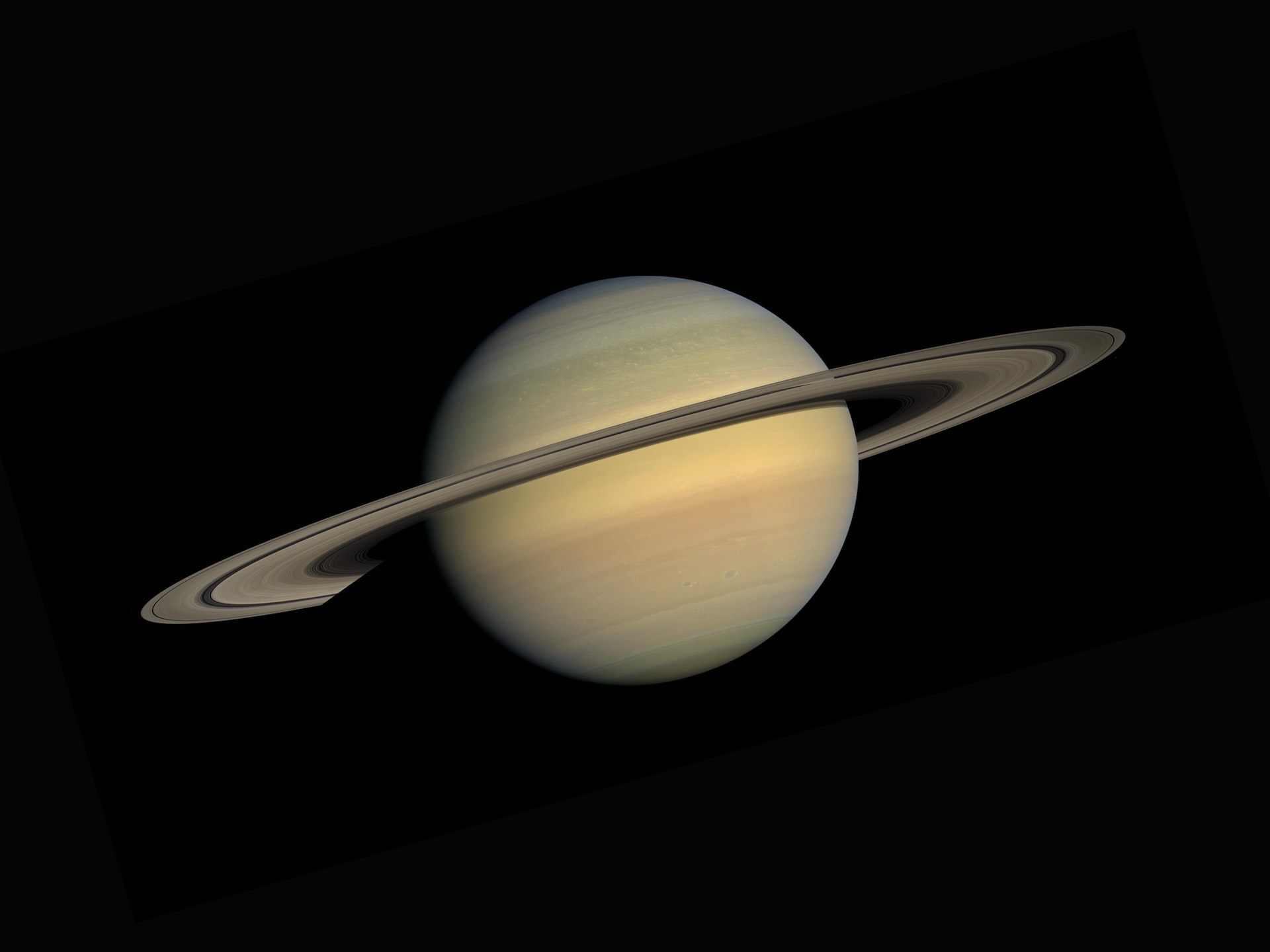
- Name for the Roman God of Agriculture
- Rotation period: 10.7 hours
- Revolution period: 29.5 years
- The most obvious feature of Saturn is its ring. The ring is composed of icy particles, which caused higher reflectivity. It also moves rapidly so it appears continuous and bright. Saturn is 95 times the mass of Earth. It has the same branded pattern seen on Jupiter, but it is less prominent. It contains numerous moons including Titan. Titan is the only moon with a substantial atmosphere. It has hydrocarbon liquid (but not water liquid) and has a cycle similar to Earth's water cycle.
Uranus
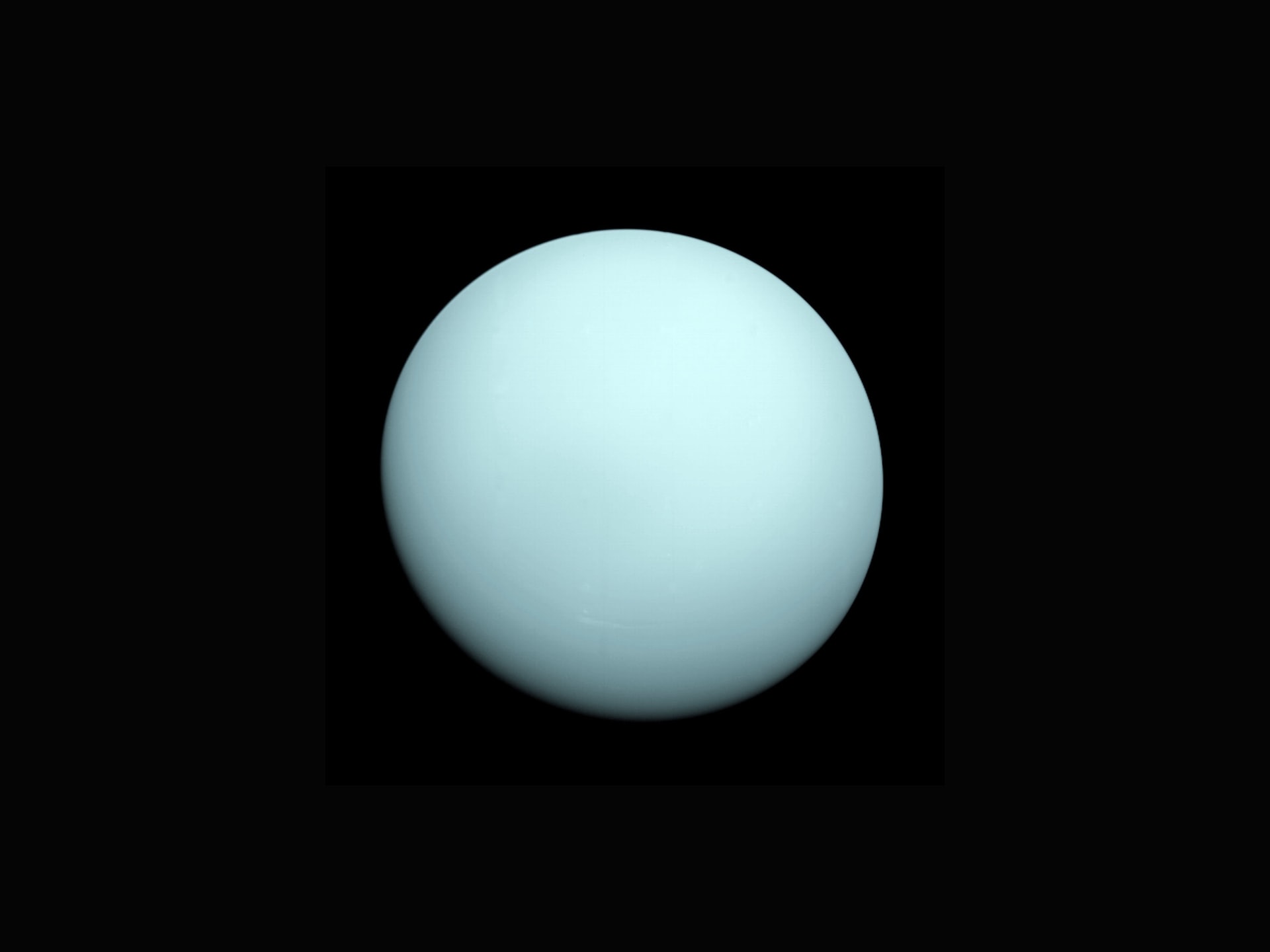
- Name for the Greek God of Sky
- Rotation period: 19 hours days
- Revolution period: 84 years
- It is about 15 times the mass of Earth. It is the only planet named after Greek mythology rather than Roman mythology. One unusual feature of Uranus is that it's nearly on its side. Other than that it has no obvious feature in its appearance.
Neptune
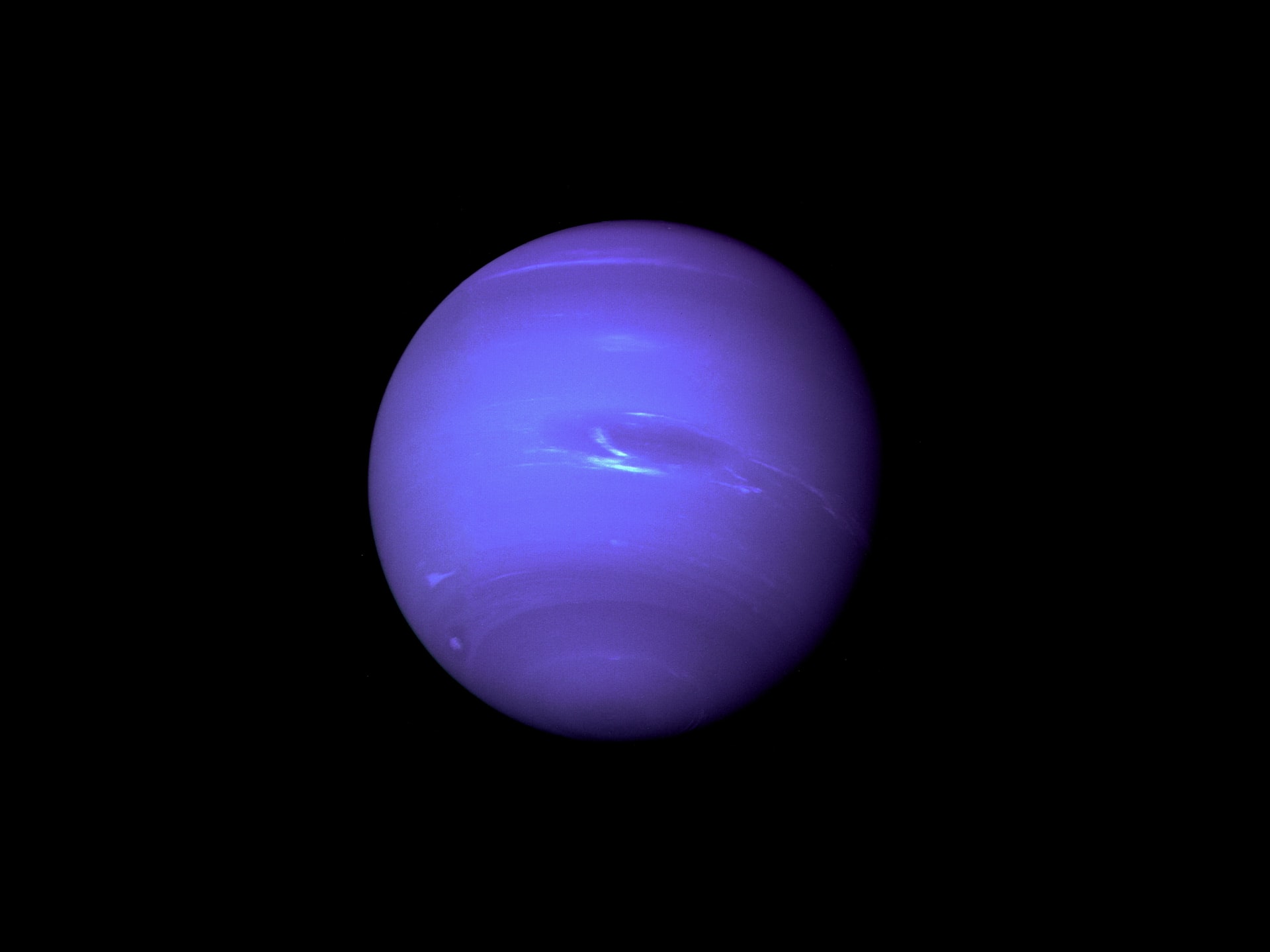
- Name for the Roman God of the Sea
- Rotation period: 16 hours days
- Revolution period: 165 years
- It is 17 times the mass of Earth. It has a darker blue color compared to Uranus. Also has some cloud-looking areas. It is the farthest from the sun so it is very cold.