Terrestial Planets
These are smaller and denser worlds compared to the Giant Planets. They are rocky and rich in metals, especially in their cores, which are composed of iron and nickel. They differ vastly from one another. Of all the terrestrial plants, Earth is the only one hospitable to life and contains liquid water on its surface. In order from closest to the sun to farthest: Mercury, Venus, Mars, and Earth.
Mercury
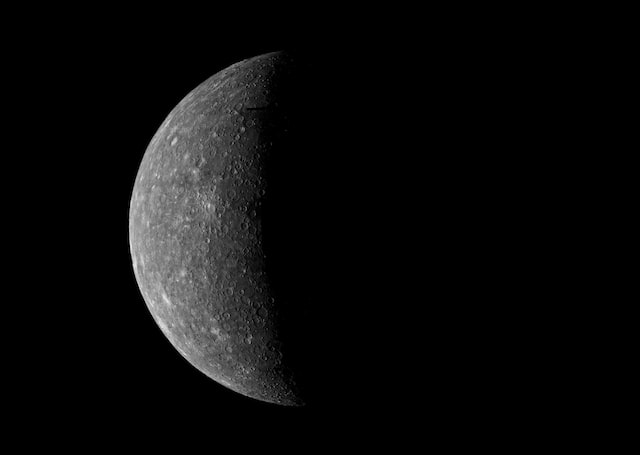
- Name for the Roman Messenger God
- Rotation period: 59 days
- Revolution period: 88 days
- It is very similar to Earth's Moon. It is very cratered, barren, and lacks an atmosphere. Its interior is very dense despite its small size. This suggested the sun could have vaporized much of its exterior or something large impacted the planet leaving behind a larger core. Because it is closest to the sun, it is very hot on the sunlit side. However, since Mercury has no atmosphere, it can also get cold on the night side. Additionally, Mercury has no moon.
Venus
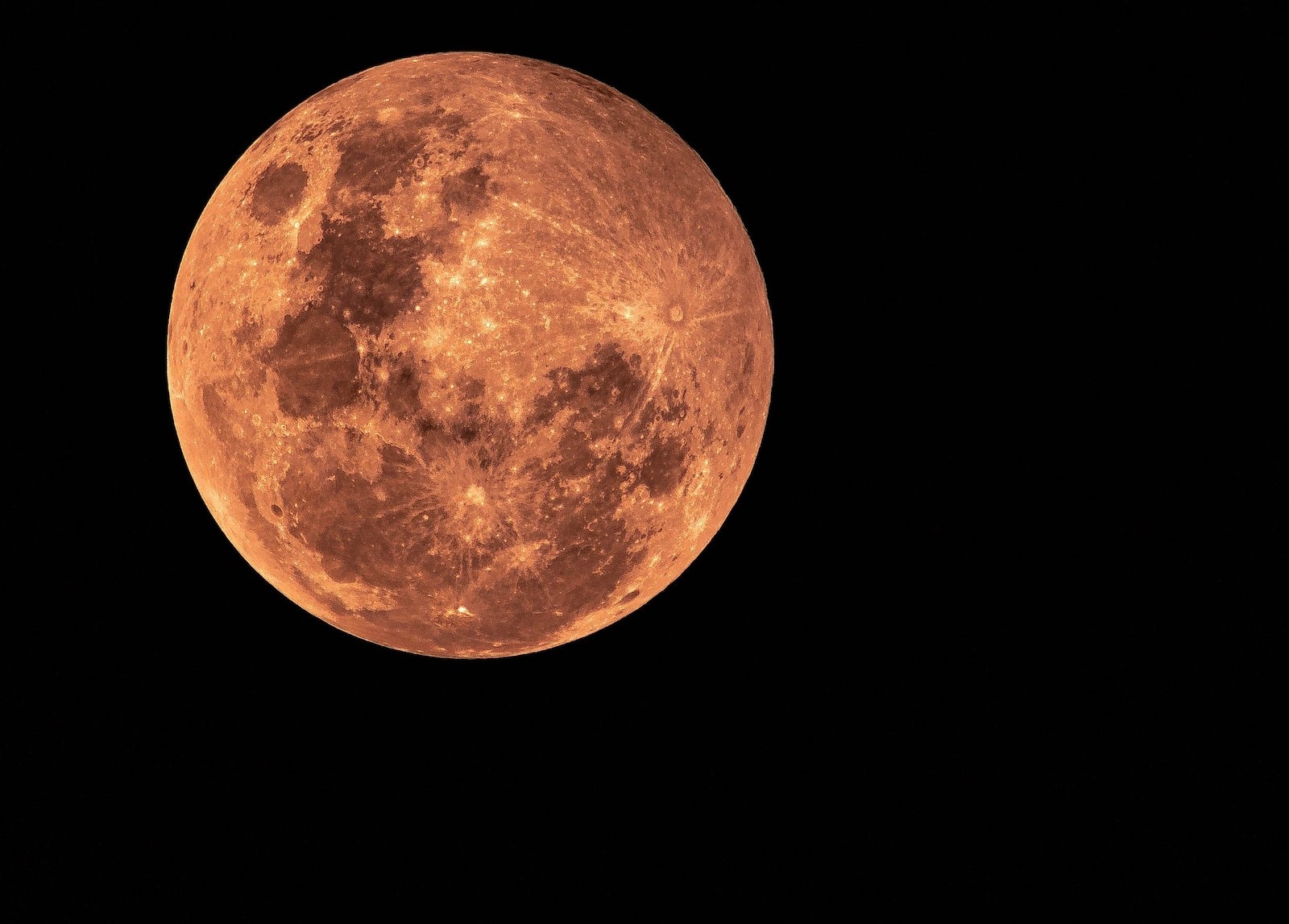
- Name for the Roman Goddess of Beauty and Love
- Rotation period: 243 days
- Revolution period: 225 days
- Venus is considered Earth's sister planet. They have similar mass, density, and size. One major difference between the two is their atmospheres. Venus's atmospheric pressure is 100 times that of Earth, and it is composed mostly of carbon dioxide. Since carbon dioxide is a greenhouse gas that traps heat, Venus is the hottest planet in the Solar System despite being second from the Sun. Also, instead of rotating from west to east like the other planets, Venus goes east to west. This suggests that Venus is upside down. Venus's surface is partly cratered and also contains volcanoes.
Earth
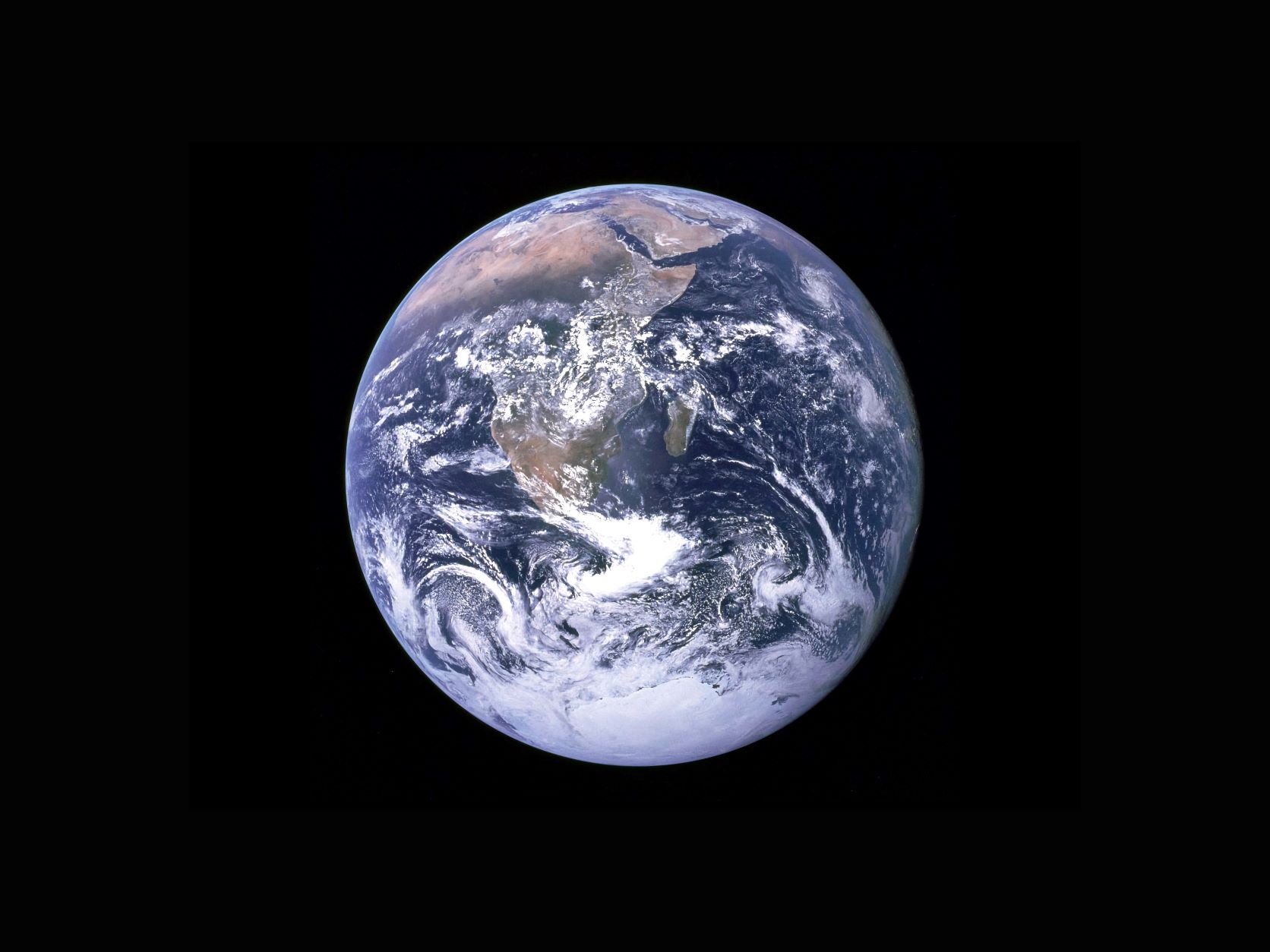
- The only planet whose name isn't derived from Roman or Greek mythology.
- Rotation period: 24 hours
- Revolution period: 365 days
- Unlike other planets, Earth has minimal craters on its surface. That is because activity in its interior forms new crusts (exterior of Earth) and destroy old crusts thus removing craters. Earth's crust is made up of large sectional areas called plates. When plates interact, it is called a plate boundary. Movement around plate boundaries can generate energy to cause earthquakes and volcanic eruptions. Furthermore, Earth is the only known planet to host life and surface liquid water. It is uncertain how these came about, but life has been presented on early Earth despite its early hostile conditions and all life may have had a common origin. Water may have been formed with Earth's during its creation or came from comets impacts. Regardless, one of the most important developments of life is the creation of cyanobacteria plants. These take in carbon dioxide abundant in early Earth's atmosphere and give off oxygen. An abundant of oxygen led to the creation of the ozone layer, which absorbs harmful radiation from the sun. Then life could have migrated from oceans onto the land.
Mars
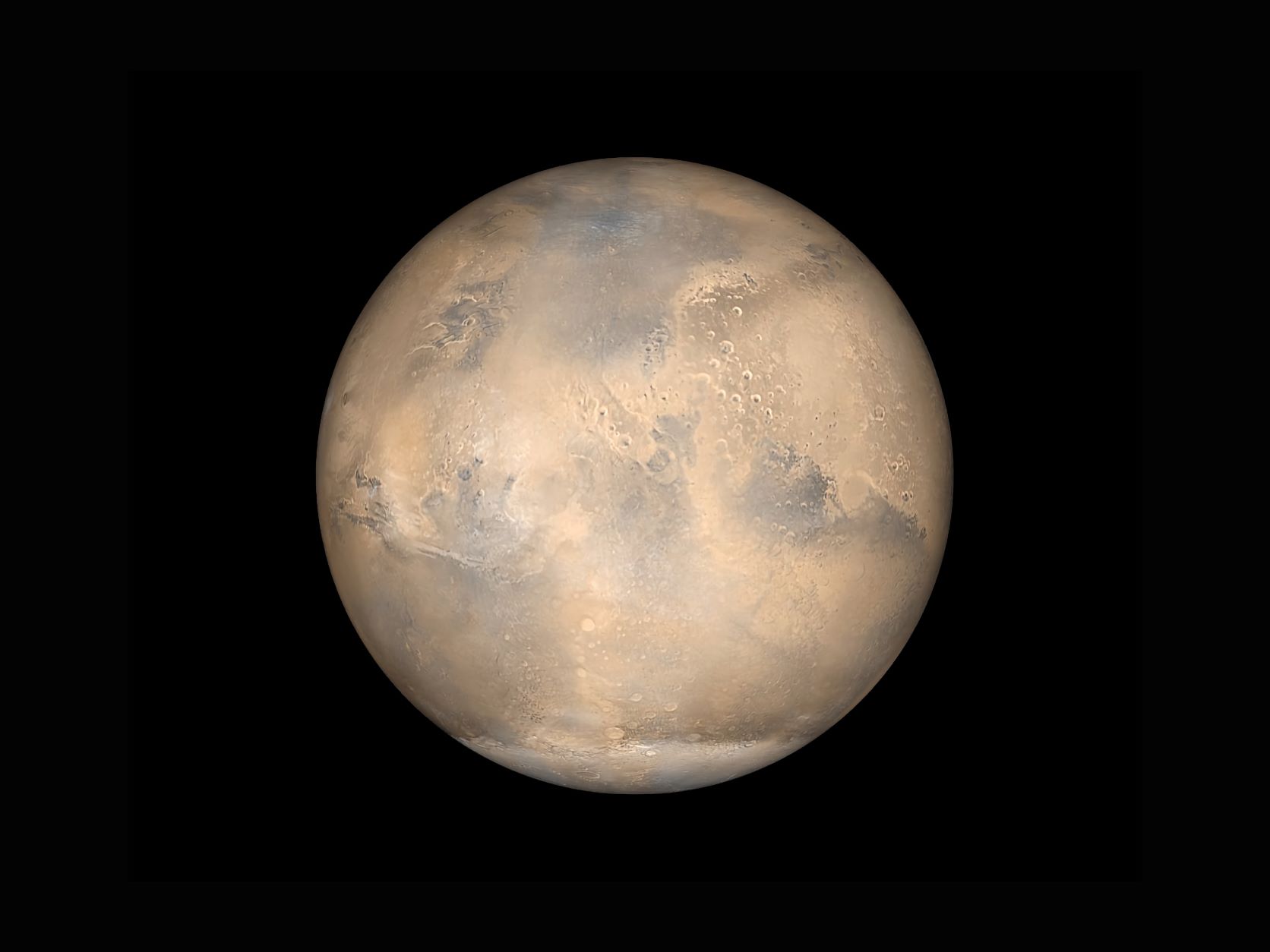
- Name for the Roman God of War
- Rotation period: 24 hours
- Revolution period: 687 days
- Mars is called the Red planet. Iron in its soil reacts with oxygen to create rust and thus the reddish color. Mars has the most earthlike environment compared to other planets. It has polar ice caps composed of water and dry ice. It has clouds and winds. However, Mars's atmosphere is composed of carbon dioxide, unlike Earth which is mostly nitrogen and oxygen. Since Mars's carbon dioxide-rich environment is so thin compared to Venus, there is no greenhouse gas effect. Mars is cold and barren. Although this was not the case for Mars in the past. It had liquid lakes, which means that it had to undergo climate change that caused a huge loss of water. Since Mars had water lakes in the past, it could have had life, but there is no sign of life on the surface today. Any possible life has to be in the interior away from the exposure to the sun's harmful radiation that Mar's thin atmosphere does not protect from. Mars's surface contains craters, long-extinct volcanoes, and canyons. Additionally, it was once believed to have been inhabited by an intelligent civilization.